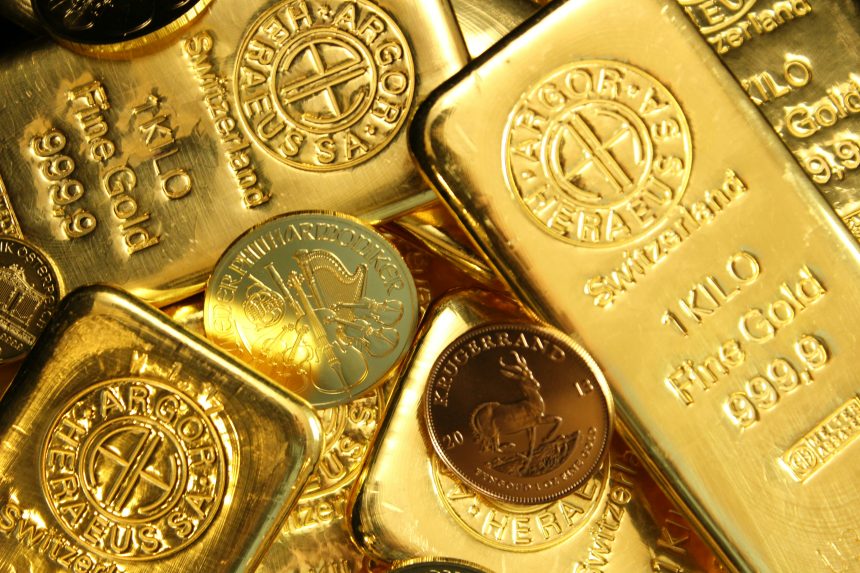
After a 66% historic rally, gold is set to reach $5,000 per ounce in 2025. This will be driven by geopolitical events, the weakening of the dollar and the relentless buying of precious metals by central banks.
Investors are rethinking their decision after the impressive rally: Should they buy bullion direct or through an exchange traded fund?
What gold represents to you depends on your investment portfolio.
This week spot gold reached a record high of nearly $4,987/oz. Demand has been pushed to unprecedented levels by the rally.
Investors are beginning to view gold more as a strategic asset and not only a hedge against cyclical fluctuations.
Physical premiums, however, have caused new problems for people who prefer tangible ownership.
Gold premiums in India reached their highest levels in 10 years, as dealers charged an additional $112 an ounce over spot prices, investors rush to purchase gold ahead of the expected increase in import duties in February’s budget.
Gold is accelerating towards $5,000
Gold’s macro-forces remain unchanged. Geopolitical uncertainty keeps investors defensive.
Gold and other non-yielding investments are more appealing because the Federal Reserve will likely cut interest rates even further by 2026.
The central banks are continuing to accumulate gold in unprecedented quantities.
Analysts expect the trend to continue.
Nicky Shiels of MKS PAMP’s Research & Metals Strategy called this change “a new macro regime”, where gold is used as a strategic monetary instrument amid geopolitical and fiscal fragmentation risks.
Gold could reach $5,400 per ounce by 2026.
Natasha Kaneva, a JPMorgan analyst, describes gold as the “highest confidence long” and believes it will reach $5.055 in late 2026 or $6,000 potentially by 2028.
Paper vs. physical: What are the trade-offs, and should you choose one over another?
Expect to pay 5-10% more than the current spot price when purchasing physical gold coins or bars.
Costs for storage and insurance can range from 0.5 to 1 percent per year or even more depending on the security measures.
Making charges can add up to an additional 5-20% of the cost.
Physical purchases in India are also subject to a sales tax of 3%. Benefits include the complete elimination of counterparty risks and ownership in tangible form.
GLD and other gold ETFs operate in a different way.
The cost ratio is between 0.25 and 0.50% per year, which can be cheaper than both physical storage as well as insurance.
Trading takes place instantly at market hours. No GST, no GST making charges, no concerns about purity.
You own gold shares, but not the actual metal, so you are exposed to a small counterparty risk. (Though fully-backed funds reduce this risk).
Investors who buy gold to protect their portfolio or as a sovereign insurance can allocate 5-10% of the weight in their portfolio to gold stored safely.
ETFs are the best choice for portfolio diversifiers who want pure liquid exposure. They offer convenience and cost-efficiency.
Your goal will determine your decision. Hold some physical if you want to protect yourself against systemic failure.
When you want to diversify, use ETFs. At $5,000 or more, make sure your investment allocation is based on your time frame and risk tolerance.
The post Gold at $5,000/oz – physical or paper – which is the better buy? This post may change as new information becomes available