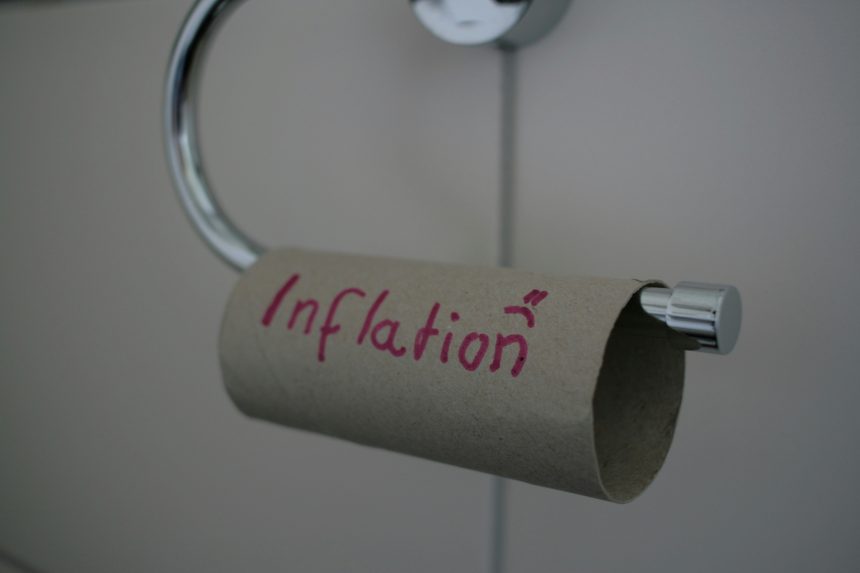
India’s inflation rate for consumer goods rose in December but was still well below the expectations of economists and the medium-term goal set by the Central Bank. This reinforces the expectation that the monetary policy in India will remain accommodative.
|
group |
|
Dec 2025 (Prov. )Rural |
Dec 2025 (Prov. )Urban |
Dec 2025 (Prov. )Combd. |
Nov 2025 (Final)Rural |
Nov 2025 (Final)Urban |
Nov 2025 (Final)Combd. |
Dec 2024Rural |
Dec 2024Urban |
Dec 2024Combd. |
|
Inflation |
CPI |
0.76 | 2.03 | 1.33 | 0.10 | 1.40 | 0.71 | 5.76 | 4.58 | 5.22 |
According to the Ministry of Statistics and Programme Implementation, data released Monday, headline consumer inflation increased to 1.33% from 0.71% during November.
The increase was lower than that of the 1,5% forecasted by the economists polled in Reuters.
Pick up of food and personal care items
According to the ministry, this acceleration was primarily due to increased prices in a variety of categories including food and personal products.
In a statement, the Ministry said that this increase was due primarily to “an increased inflation in personal care products and items, as well as vegetables, fish and meat, eggs, spices, and pulses.”
Food prices remain deflationary despite the increase in inflation. However, the rate of decrease has moderated.
In December food prices dropped by 2.71%, while they had fallen by a more dramatic 3.91% in November.
India’s Consumer Price Index basket is made up of roughly 50% food items, which are a major driver for inflation.
Urban pressures are greater in the urban-rural split
The dynamics of inflation differed between rural and urban regions, with the price pressures being more intense in the cities.
In rural areas, the headline inflation rate rose from 0.10% to 0.76% between November and December.
The consumer food index for rural areas, which measures the inflation of the price of foods, has decreased to 3.08%, from the fall of 4.05 % in the preceding month.
In December, urban inflation rose sharply to 2,03 % from 1,40 % in November.
In urban areas, food inflation also moderated. Prices fell by 2.09% in the month of December, compared to a decline of 3.60% a year earlier.
The fuel and light inflation rate, which was 2.32% last November, fell to 1.97% this December. This is a relief for household budgets.
RBI outlook remains benign
Inflation data is in line with Reserve Bank of India’s assessment that prices are expected to be subdued for the short term.
RBI now expects that consumer inflation will average around 2% in the fiscal year which ends March 2026. This is down from its previous forecast of 2.6% made back in October.
The central bank expects inflation to be 2.9% in the third quarter of 2019, and to rise to 4.0% by the end of September 2026.
Base effects could cause inflation to rise from January, according to the central bank.
The RBI predicts that inflation will remain comfortably under its target of 4% until September at the latest.
Low inflation raises concerns about growth
The persistently low level of inflation in 2025, especially for nominal growth, has had macroeconomic consequences that are broader.
The record-low prices have had a negative impact on the nominal growth of GDP, causing policymakers and investors to be concerned.
India published an early estimate of its real GDP growth for the fiscal year 2026 last week, which included nominal GDP growth at 8.0%.
This nominal growth figure was a significant drop from the 10,1% forecasted in the Union Budget of the same year.
In this context, RBI reduced its benchmark rate in December to the lowest level for three years and indicated that additional easing was possible, citing low inflation.
The post India’s inflation rises in December, but is still well below RBI targets appeared first on COINPAPER.COM