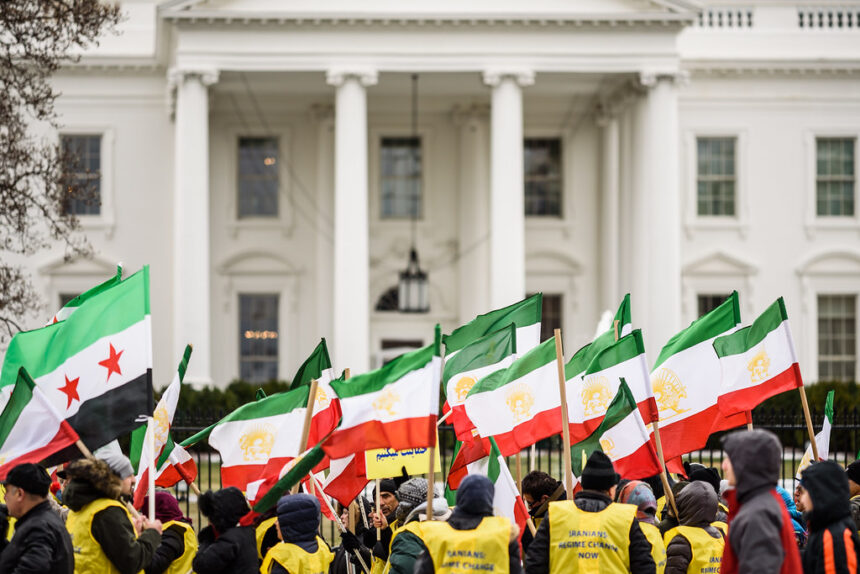
As the threat of US military intervention against Iran grows, it casts a dark shadow on global energy markets.
JPMorgan says that direct US military intervention in Iran could lead to a regime change. Iran is OPEC’s founding member and its largest producer. This would send oil prices soaring.
The market is relatively quiet, but history has shown that major geopolitical turmoil involving oil exporters often results in economic effects.
US attacks on Iran may disrupt oil supplies
If the US and Israel join forces to launch a massive military attack on Iran’s nuclear facilities, there is a risk that the oil exports and production of the West Asian nation will be disrupted.
Iran exports about half its oil production, which is currently around 3.3 million barrels per day. This output, however, could be severely affected by a prolonged conflict or regime change, just as the Iranian Revolution of 1979 saw exports drop nearly five million barrels per day within a few months.
Natasha Kaneva is the global commodities head at JPM. She said that a regime change in oil producing nations like Iran could have an impact on oil production and prices globally in the near and medium term.
Investors must also be aware that even temporary disruptions could disrupt global supply chains if US strikes Iran.
Some risks are still less probable. JPMorgan believes that despite concerns the likelihood of Iran trying to shut down the Strait of Hormuz through which 20% of world oil passes is “very low” given the US navy’s presence.
What could happen to oil prices if the conflict with Iran escalates?
A short-term spike in the price of crude oil will be almost certain if US bombing plans against Iran are carried out.
According to past experience, which includes eight regime changes since 1979 in oil-rich countries, the peak crude price has historically been 76% higher than pre-crisis prices.
Natasha Kaneva, senior JPM expert, says that prices will eventually stabilize, but they’ll still be around 30% more expensive than what they were before the war.
During the 1979 uprising in Iran, oil prices soared to $34 per barrel from less than $20. This led to a worldwide recession.
Iran’s market share is still significant, even though the global oil markets have evolved since that time.
Brent crude has gained just 10% in the last seven days since Israel began airstrikes. However, a further increase could cause a dramatic change.
Price volatility may increase if conflict or target shifts to energy infrastructure.
Energy traders and policymakers have been watching with caution the current situation.
How long a potential conflict will last and whether the rhetoric becomes action is key. One thing is certain: A U.S. attack on Iran will cause considerable uncertainty in an oil market that’s already fragile.
The post Oil prices to be affected by US military action against Iran may have been modified as new information becomes available. This post may be updated as new information unfolds
This site is for entertainment only. Click here to read more