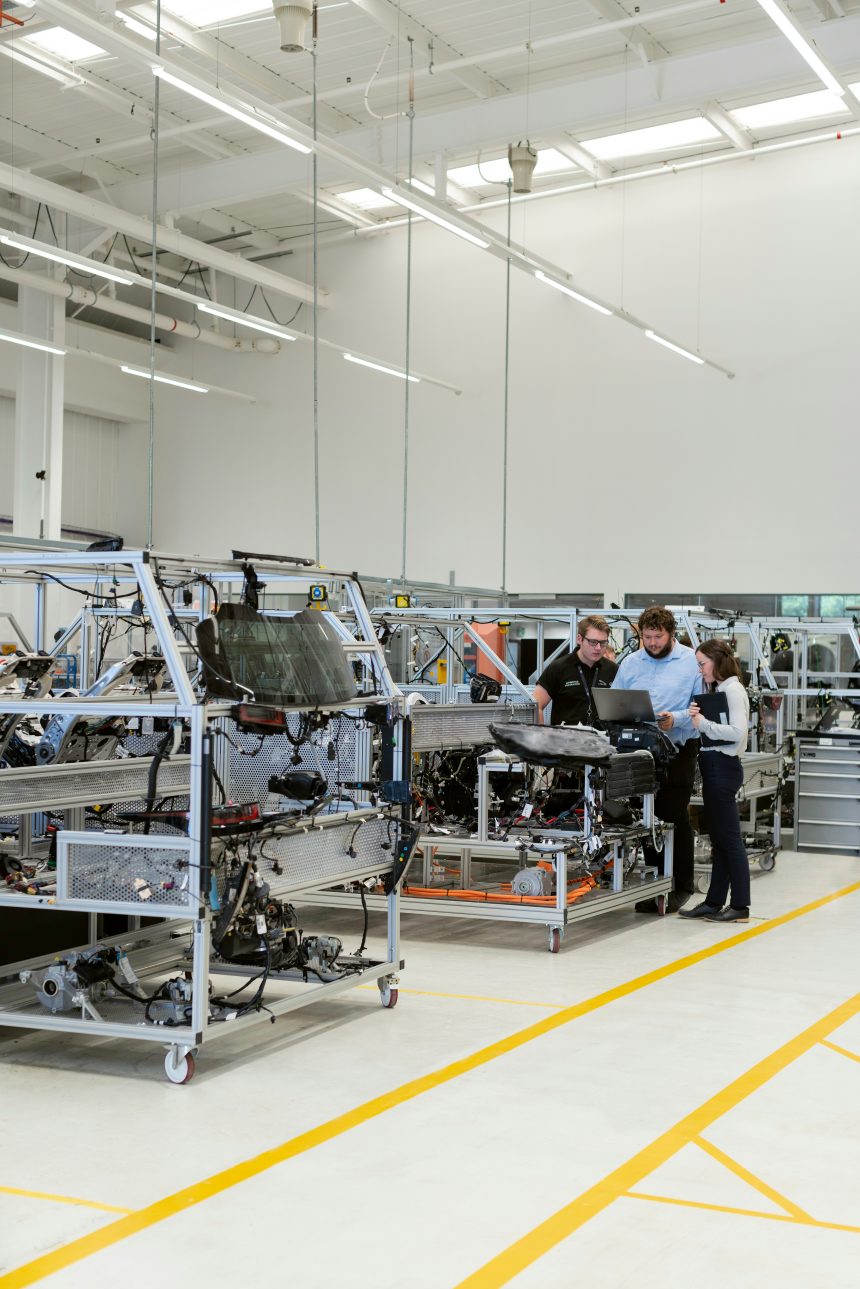
The United States saw a variety of developments on Wednesday, including major changes in technology, manufacturing and finance.
Intel’s shares rose on news of AMD being in early stage talks to be a customer for its foundry, signaling a potential increase in the manufacturing division.
The US Manufacturing sector continued to grow in September, although at a lower pace. Meanwhile, the shutdown of government agencies persisted despite failed Senate votes.
Investors monitored also the resilience of the New York stock exchange and the Trump Administration’s policy decisions affecting New York City infrastructure projects.
Intel share prices rise after talks with AMD
Intel’s shares jumped 6% Wednesday after reports by Semafor that it is already in discussions with AMD to become a client for its chip manufacturing operations.
The deal, if finalized, would show Intel’s confidence in its efforts to revive the manufacturing division which has fallen behind competitors such as Taiwan Semiconductor Manufacturing Company.
The shares rose above $35.16 to extend the year-to date gains over 75%. However, some intraday gains have been pared.
Intel is said to be in discussions with Apple about additional support. In the last seven weeks Intel received backing from Nvidia and SoftBank as well as the White House.
Intel may have less sophisticated facilities than TSMC but several US firms are directing production to local foundries to align with Trump’s drive to boost American semiconductor manufacturing.
US Manufacturing Growth Slows Down in September
According to S&P Global, the U.S. Manufacturing sector expanded in September for the ninth month running, but at a slightly slower rate.
The Manufacturing Purchasing Managers Index fell from 52.0 to 52.0 from 53.0 last August. It is still higher than the threshold of 50 points that separates expansion from contraction.
The slowdown in demand led to an increase of inventories for finished goods, as output increased.
Tariffs affecting sales to Canada, Mexico and other countries have led to a decline in exports for a third consecutive month.
Tariff-related delays by vendors could threaten production, pushing prices up.
Manufacturers remain cautiously optimistic despite these challenges about the sales for next year.
Senate fails to pass funding bill; shutdown continues
On Wednesday, the U.S. Senate did not pass a stopgap financing bill. This prolonged the shutdown.
Two Democrats, one Independent and Rand Paul, a Republican senator, voted against the Republican proposal.
JD Vance, Vice President of the United States, expressed his optimism about a brief government shutdown. He cited early indications that moderate Democrats were willing to compromise. Vance said that the administration will prioritize essential services, but also warned of possible layoffs to cut costs.
Trump Administration pauses NYC Infrastructure Projects
According to OMB director Russell Vought, the Trump Administration put on hold approximately $18 billion worth of New York City infrastructure project, such as the Hudson Tunnel Project, and Second Avenue Subway to avoid federal funds being allocated according “unconstitutional DEI Principles.”
The funding freeze follows Donald Trump’s threat that Zohran Mamdani would not receive money if he was elected Mayor of New York City.
US stock markets rise despite shutdown
US stocks rose on Wednesday despite the government shutdown.
S&P 500 rose by 0.34%, reaching a new intraday record. The Nasdaq Composite gained 0.42% while Dow Jones Industrial Average grew 0.09%.
Health-care stocks such as Moderna and Regeneron Pharmaceuticals led the gains.
Investors seemed optimistic about the short-term nature of this funding gap, but concerns remain over inflation, slowing employment, and high valuations.
The ICD published this post: US digest: US government shutdown continues, slow manufacturing, Intel AMD deal.