US stocks ended Friday sharply lower as investors were weighed down by the escalating Middle East tensions and rising oil prices, which also raised fears about interest rates and inflation.
The Dow Jones Industrial Average dropped about 0.96%, or 443 point, to 45 577.47 while the S&P 500 fell 1.51%, to 6 506 48.
Nasdaq Composite was the worst performer, falling 2% to 21 647.61.
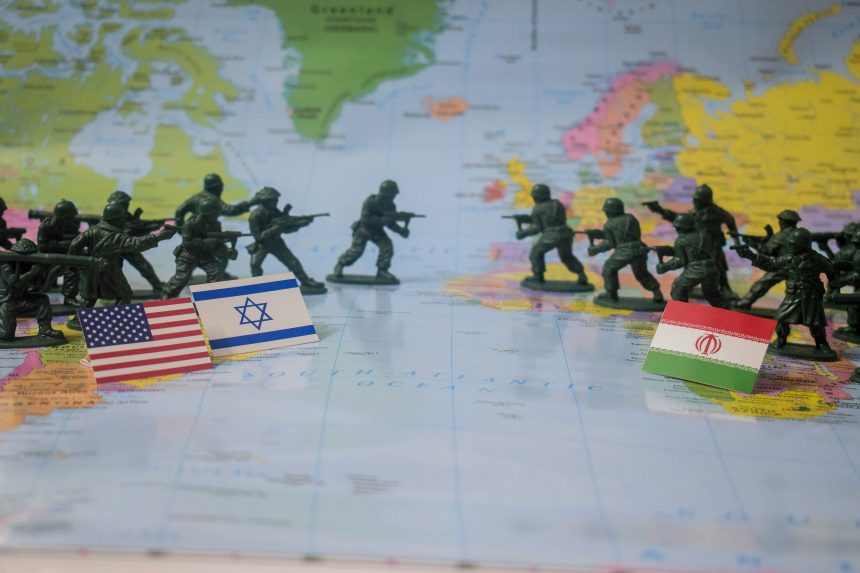
The markets extended their losses, as the US/Israeli conflict against Iran moved into its fourth week with no sign of deescalation.
According to reports, the US Marines and other military forces have increased their deployments within the area, while Iran continues its attacks on energy infrastructure.
Markets are dragged lower by tech heavyweights
The session saw major tech stocks like Nvidia and Microsoft decline, as well as Alphabet, Tesla and Meta Platforms.
Few sectors were spared the pressure of selling.
As bond yields rose, even defensive industries such as utilities were under pressure.
Russell 2000, a small cap-focused index, has entered correction territory. This is defined as a 10% decline from the recent high.
The Dow Jones and Nasdaq were hovering near similar levels.
The three major indices are now down for a fourth week in a row and below their 200 day moving average, signaling weakened market momentum.
Inflation fears fuelled by oil surge
The sharp increase in oil prices was a key factor behind the selling, while geopolitical risk disrupted the energy markets. Brent crude traded at more than $111 a barrel while West Texas Intermediate was above $97.
Partly, the surge was triggered by news that Iraq had declared force majeure for oilfields run by foreign companies. This heightened supply concerns.
The fear of inflation has increased due to the rising energy prices. This complicates the outlook on monetary policy.
US Treasury yields rose for the third session in a row, as investors expected interest rates to remain high.
CME’s FedWatch Tool says that US rate futures indicate the Federal Reserve will be more likely to increase rates by 2026 than to cut them.
The volatility of geopolitical unrest is on the rise
The Friday session coincided also with “triple-whistling” quarterly event when index options, stock options and futures contracts all expire at the same time, which often increases trading volume and volatility.
The market continues to be dominated by geopolitical events.
Investors were left in a state of uncertainty after reports about ongoing attacks between Iran and Israel as well as possible ground troops deployments.
According to a CNBC article, “If there is an increase in troops in the area, we will probably be in this market for at least two more weeks, with higher gas and oil prices. You’re watching every news item about the energy infrastructure of the region.” Baird’s investment strategist Ross Mayfield said.
The equity market hasn’t yet sold off to the extent that it would be indicative of this type event, and there may still some further downside.
Investors are becoming more cautious in the short-term due to a combination of high bond yields and rising oil prices.
The post S&P500 down 1.5% and Dow Jones drops 400 points due to Iran war lifting oil could be updated as new developments unfold.