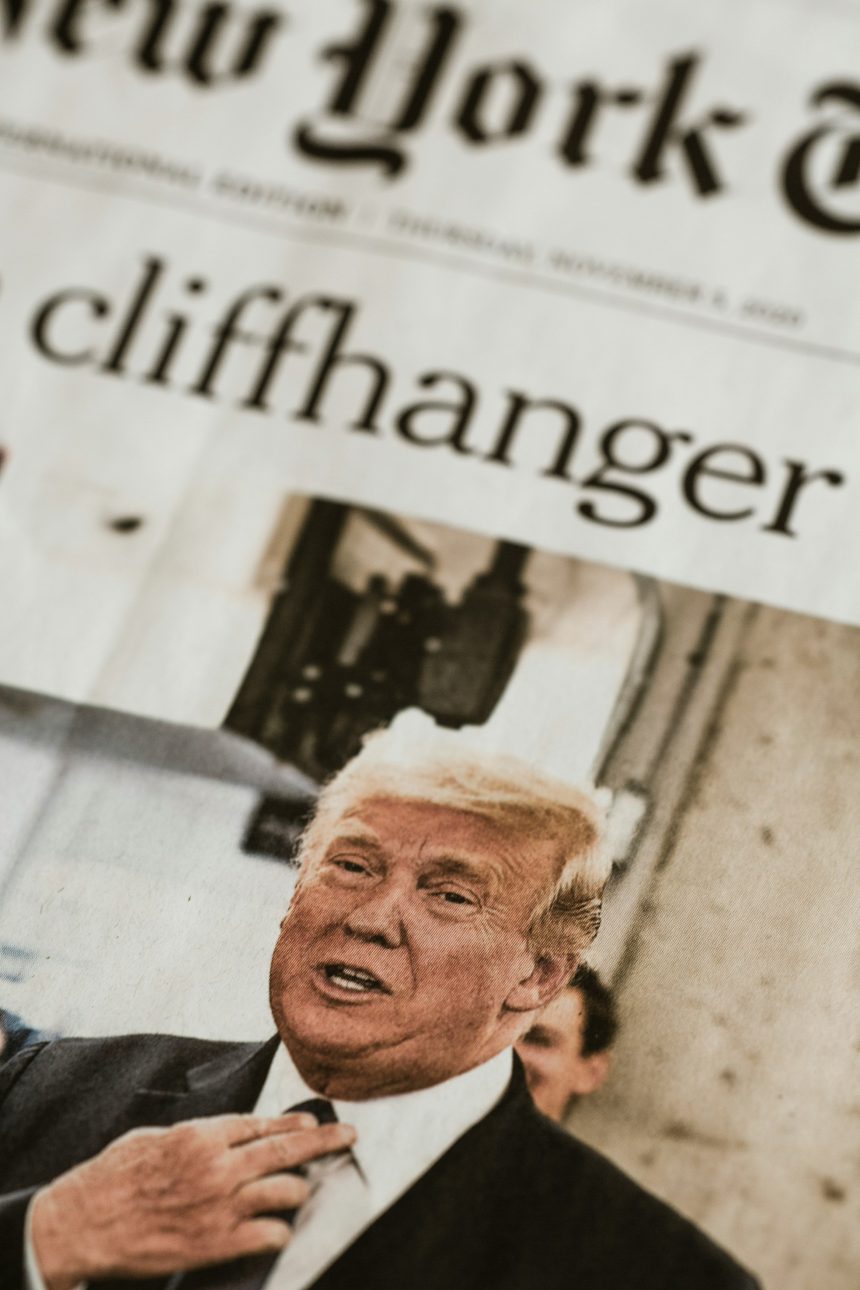
On Thursday, US President Donald Trump signed the charter of his “Board of Peace”, a new organization he has created.
This initiative will oversee Gaza’s ceasefire and reconstruction, but it also aims to bring together Trump’s supporters with his skeptical Western allies.
Around 35 countries have committed to joining the board. They are a mixture of Middle Eastern powerhouses, Central Asian Republics and nationalist led European governments.
The United Kingdom, France and Nordic countries have all refused to join the Board, despite the fact that they are a high profile group.
Signatories: a diverse and symbolically united coalition
These countries’ actions are a snapshot of Trump’s priorities during his first term.
Israel, Saudi Arabia Egypt, Qatar Turkey Pakistan Indonesia and United Arab Emirates are all committed.
Some of the lesser known players include Kazakhstan, Uzbekistan and Morocco. Others are Armenia, Azerbaijan Kosovo, Argentina Paraguay Bahrain Belarus, Kazakhstan, Uzbekistan
Trump said that the Board was “the best board ever created” at the ceremony and added, “Once we are fully established, we can pretty much do whatever it is that you want us to do.” We’ll work with the United Nations to accomplish this.
Trump will be the chairman of the board at all times, with full authority to set up agendas, veto any decisions and dismiss members.
Non-permanent memberships are three years long and cost $1 billion.
Executive board members include Secretary of State Marco Rubio; Trump’s daughter-in-law Jared Kushner, who oversees Gaza reconstruction, former UK PM Tony Blair, Steve Witkoff (special envoy), World Bank President Ajay Banaga, and Apollo Global Management CEO Marc Rowan.
Trump’s Board of Peace: Absences speak louder than words
These refusals are more serious. Yvette cooper, the UK’s Foreign Secretary announced that they would not be signing the agreement. She cited concerns about the fact that it is a treaty that covers “much broader topics” than Gaza.
France refused outright. Officials expressed concern that the Charter “goes above and beyond Gaza’s framework” raising questions regarding respect for UN principles.
Scandinavian countries followed suit, with Denmark, Norway and Sweden officially declining.
Robert Golob, the Prime Minister of Slovenia said that it was “dangerous interference with the wider international order.”
Replace or supplement the UN?
One common concern in Europe is the question: Does this body replace or complement UN functions?
Trump said in his speech that this organization would work “in tandem with the United Nations,” yet the 11-page charter of the Board makes no mention at all about Gaza.
Other major powers are still in the limbo.
China and India have received invitations, but not yet committed. Canada has accepted the agreement “in principle”, but will not pay $1 billion.
Russia’s position is unclear as Trump said Putin had accepted the invitation, while Moscow has stated that it was still “examining” this.
It is unclear whether the board can be considered legitimate without traditional Western allies’ buy-in, or if Trump plans to create a separate influence sphere outside of established multilateral organizations.
The post Trump announces Gaza “Board of Peace” in Davos – who joined and who rejected it? may be updated as new information becomes available.
This site is for entertainment only. Click here to read more